Advanced Leak Detection: Guard Your Home Against Hidden Water Damage
Effective leak detection plays an essential role in preserving the structural soundness of a home. Undetected water damage often causes substantial financial burdens and potential health concerns. Homeowners often overlook early signs, such as unexplained stains or musty odors. By identifying these signals and applying sophisticated detection strategies, they can preserve their property's condition. Despite this, numerous residents remain unfamiliar with the most reliable tools and approaches currently available. What actions can be implemented to keep a home secure from these unseen risks?
Why Leak Detection Should Be Your Top Priority
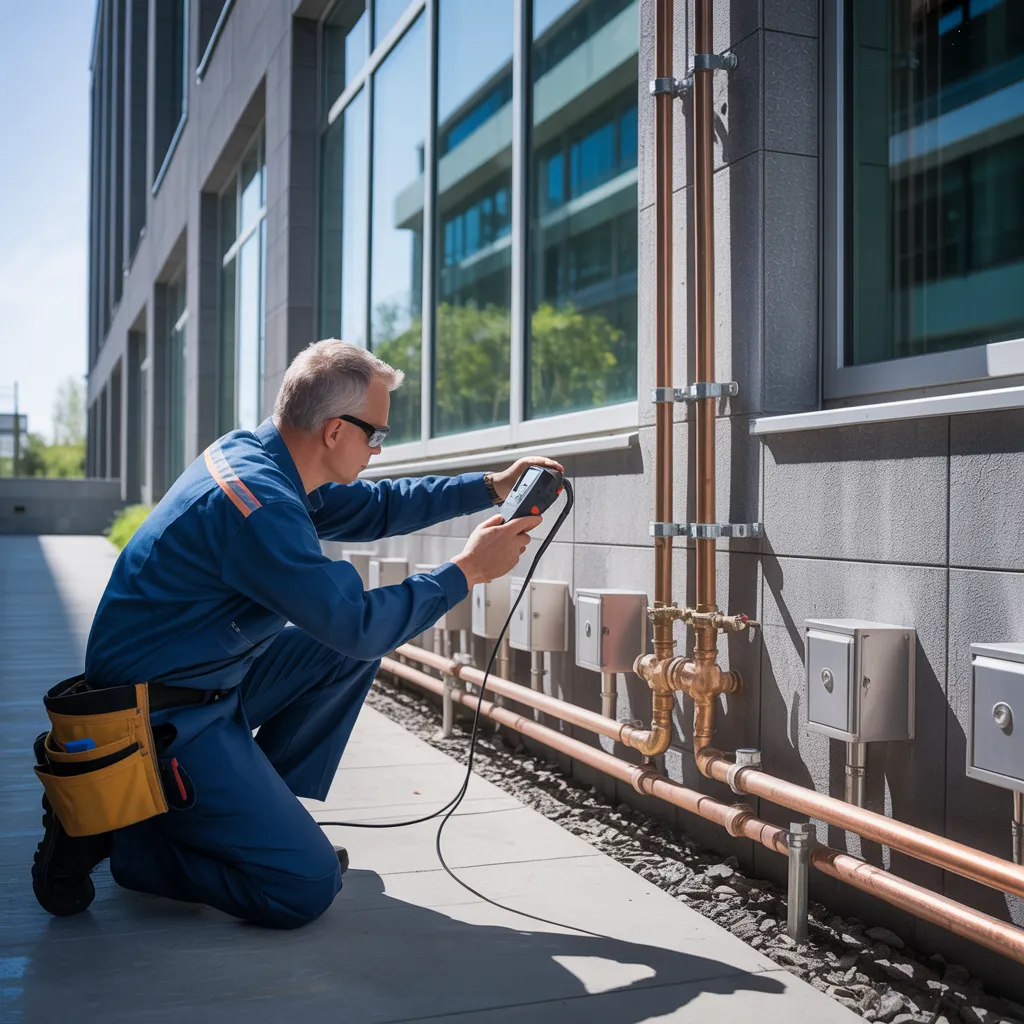
Why is leak detection so important for homeowners? Homeowners must recognize that undetected leaks can result in significant structural damage and costly repairs. Water intrusion can compromise the integrity of walls, foundations, and even electrical systems, leading to hazardous living conditions. Moreover, persistent moisture can encourage mold proliferation, which creates significant health concerns for those living in the home.
Prioritizing proactive leak detection not only safeguards the home but also enhances property value. Through the early detection of leaks, homeowners can mitigate potential damage, effectively eliminating the financial strain linked to significant repairs. Regular inspections and advanced detection technologies can uncover hidden issues that may otherwise go unnoticed. Ultimately, prioritizing leak detection guarantees the longevity of the home and contributes to a safer, healthier living environment. By staying proactive, homeowners can safeguard their investment and enjoy peace of mind.
Typical Indicators of Water Leaks You Should Identify
Although water leaks may start small, their indicators can grow more obvious if ignored. Property owners ought to watch carefully for a number of telltale signs of water leaks. A common indicator includes water stains appearing on ceilings or walls, that often present as yellowish or brown discoloration. Moreover, damp or stained areas on the floor can point to underlying moisture problems beneath.
An additional warning sign is the presence of dripping or running water sounds when all fixtures are turned off. A dramatic spike in the water bill, without an obvious reason, can also signal concealed leaks. Mold and mildew development in spaces such as bathrooms or basements is an additional serious indicator of chronic moisture concerns. Lastly, distorted or buckled flooring may point to excessive moisture exposure. By identifying these warning signs promptly, homeowners can take proactive measures to avoid extensive damage and expensive repairs.
Essential Methods for Effective Leak Detection
Recognizing water leaks early is vital for keeping a home in good condition and preventing extensive damage. Various methods are available for successful leak discovery, accommodating a range of needs and circumstances. Visual assessments frequently act as the initial protective measure; homeowners can check for obvious signs like water stains or mold growth. Infrared thermography is another method that employs thermal imaging to pinpoint thermal differences, indicating hidden leaks within walls or ceilings.
Acoustic leak detection uses sound waves to locate leaks, rendering it highly effective for underground or concealed pipes. Pressure testing entails observing the pressure levels in plumbing systems to identify inconsistencies that signal potential leaks. Furthermore, moisture meters are capable of measuring dampness in materials, supplying quantitative data on probable leak sources. Each of these techniques provides distinct benefits, enabling homeowners to choose the most suitable approach for their specific needs and ensuring proactive measures against water damage.
Choosing the Right Leak Detection Tools for Your Home
How do homeowners make certain they possess the correct equipment for successful leak detection? Selecting appropriate tools is essential for identifying hidden leaks before they cause significant damage. Important equipment includes moisture meters, which measure the humidity level in walls and floors, helping to pinpoint damp areas. Infrared imaging devices are highly beneficial, as they reveal temperature fluctuations, pointing to potential leaks hidden behind walls.
Furthermore, sound-based leak detection devices can detect the audio signal of water escaping from plumbing lines. Individuals who choose non-electronic solutions, straightforward dye checks are reliable for detecting toilet plumbing leaks. It is also advisable for homeowners to purchasing intelligent leak monitoring systems that offer immediate warnings through smartphone applications. When all is considered, understanding the particular requirements of their home and the types of potential leaks will assist residents in identifying the most appropriate detection solutions, allowing them to be fully prepared to protect against water damage.
Establishing Preventative Actions to Combat Water Damage
Water-resistant materials in basements, kitchens, and bathrooms can further reduce the risk of damage. Homeowners are encouraged to consider moisture detectors, which can notify them of leaks at an early stage. Strategic landscaping, including grading the ground away from the home, can help channel water away from the foundation. Ultimately, maintaining indoor humidity levels can prevent mold growth, which is often a consequence of undetected water issues. By implementing these preventive measures, homeowners can significantly lower the chances of expensive water damage.
When Should You Hire a Professional for Leak Detection?
At what point should you seek expert help for leak detection? Homeowners should consider calling a professional when they notice persistent damp spots, unexplained increases in water bills, or an enduring musty scent that does not go away despite regular cleaning attempts. Furthermore, when water stains become visible on ceilings or walls, it might suggest an underlying leak that necessitates advanced diagnostic instruments. Expert technicians are equipped with the knowledge and technology, such as thermal imaging cameras and moisture meters, to precisely determine the source of the problem.
Additionally, if a homeowner has attempted DIY solutions without success, turning to a specialist is the wise course of action to avoid compounding the issue. Homes with old plumbing systems or recent renovations are also at higher risk for leaks, making professional evaluation advisable. Ultimately, swift involvement of a professional leak detection technician may protect homeowners from significant repair expenses and damaging water-related losses over time.
Questions We Often Receive
What Is the Recommended Frequency for Checking Leaks in My Home?
Homeowners should inspect for leaks no explore here less than twice annually, ideally during seasonal changes. Routine checks allow for the early discovery of underlying concerns, limiting the extent of damage and associated expenses connected to undetected water leaks within the premises.
Can Leaks Occur in Appliances Like Dishwashers or Refrigerators?
Absolutely, leaks may develop in appliances such as dishwashers and refrigerators. Over time, seals can deteriorate or hoses can become damaged, leading to potential water damage if not consistently monitored and maintained.
What Are the Long-Term Effects of Undetected Water Leaks?
Unnoticed water leaks can lead to serious structural damage, the growth of mold, increased utility bills, and health concerns. Left unaddressed, these problems tend to escalate, causing costly repair work and potential loss of property value.
Are There Specific Seasons When Leaks Are More Likely?
Pipe leaks are more common during winter, because dropping temperatures lead to pipes bursting, and throughout the spring season, when snowmelt and heavy rain can overload drainage systems. Awareness of these seasonal patterns aids in preventive measures.
How Can I Determine if My Water Meter Is Detecting a Leak?
To check whether a water meter is showing a leak, the meter reading should be noted before and after a period of water inactivity. A difference in the reading points to a likely leak somewhere in the system.
Comments on “Why Leak Detection Helps Prevent Mold Growth”